16 Amazing College Towns in the US Worth Visiting
Signing up for credit cards through partner links earns us a commission. Terms apply to the offers listed on this page. Here’s our full advertising policy: How we make money.
Update: One or more card offers in this post are no longer available. Check our Hot Deals for the latest offers.
You don’t need to be a student to appreciate the offerings of a college town. Great college towns often have theaters, museums, shopping, fantastic restaurants, neat architecture, athletic teams, parks, and outdoor attractions.
Whether you’re applying to college or retired and looking for a fun trip, we put together 16 college towns worth visiting! If you’re planning on renting a car in college towns, be sure to check out our guide to avoid overpaying for car rentals!
Here’s our ranking (in no particular order) of the 16 best college towns worth visiting!
1. Santa Barbara, California
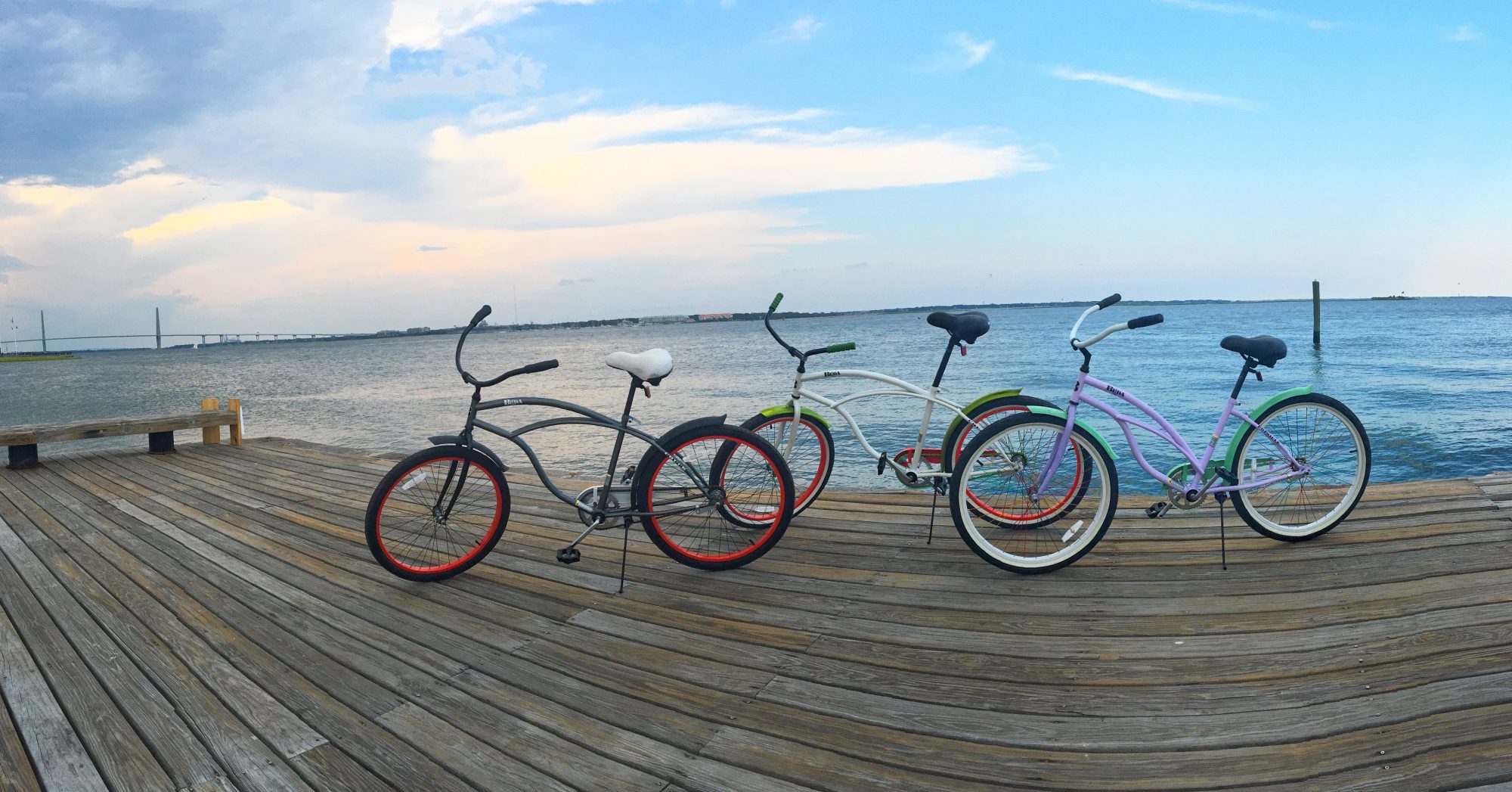
Santa Barbara is the absolute dream college town. It encompasses the ultimate beach lifestyle with great vibes, good shopping, beautiful people, and there are lots of outdoor activities to get into from paddle boarding and surfing to biking and beach volleyball.
2. Charleston, South Carolina
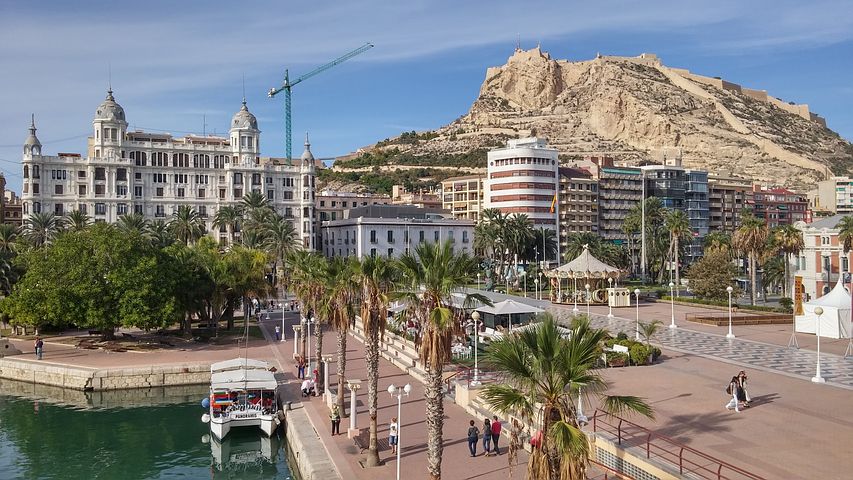
Charleston is not only a great town for college students, but people visiting and wanting a bit of southern culture and charm.
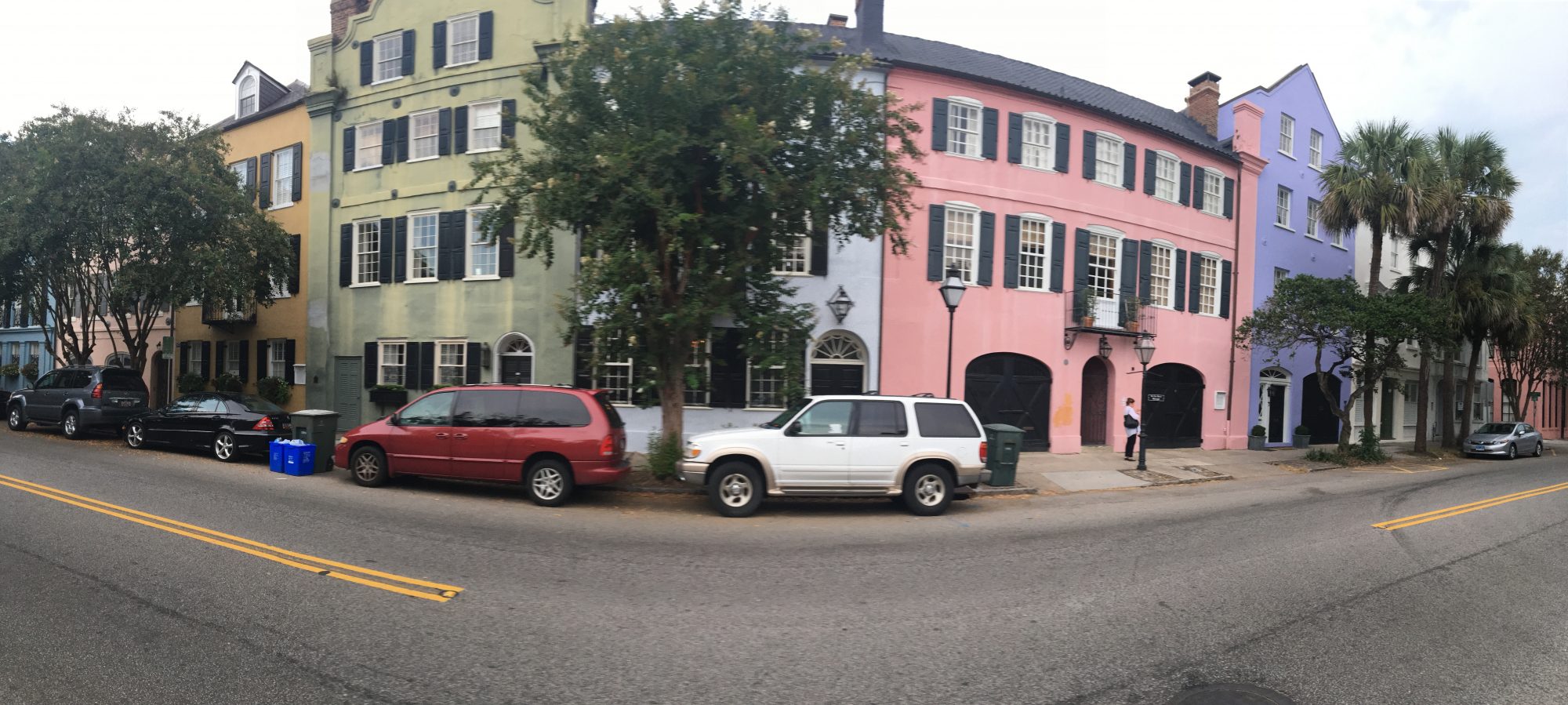
Charleston is a great city for all ages with an assortment of shopping, beautiful beaches, and excellent dining.
The town is full of deep southern roots and history. If you go, I recommend renting bikes and riding around town to all the historical sites. Or sign-up for a historical walking tour.
3. Chapel Hill, North Carolina
Chapel Hill’s nickname is “the southern part of heaven” and rightfully so. There is absolutely nowhere like it.
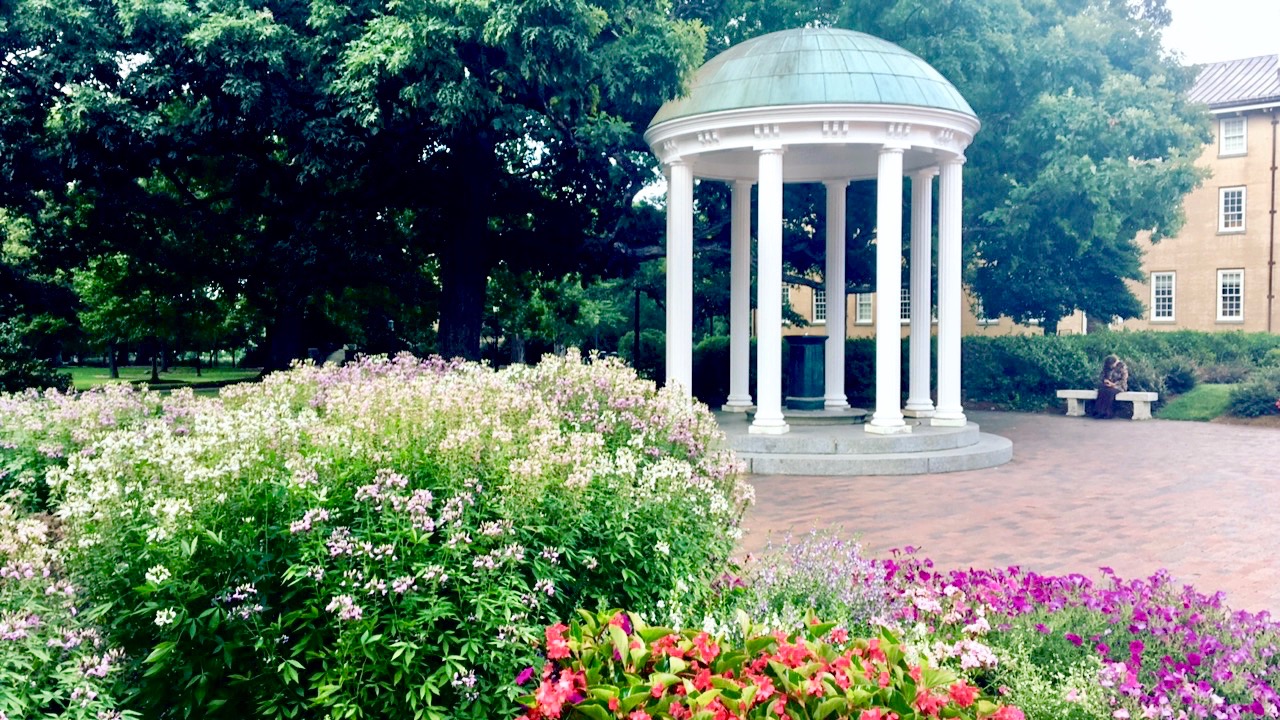
It’s a beautiful mix of traditional southern culture, intellectual curiosity, and an unwavering loyalty to its college basketball team.
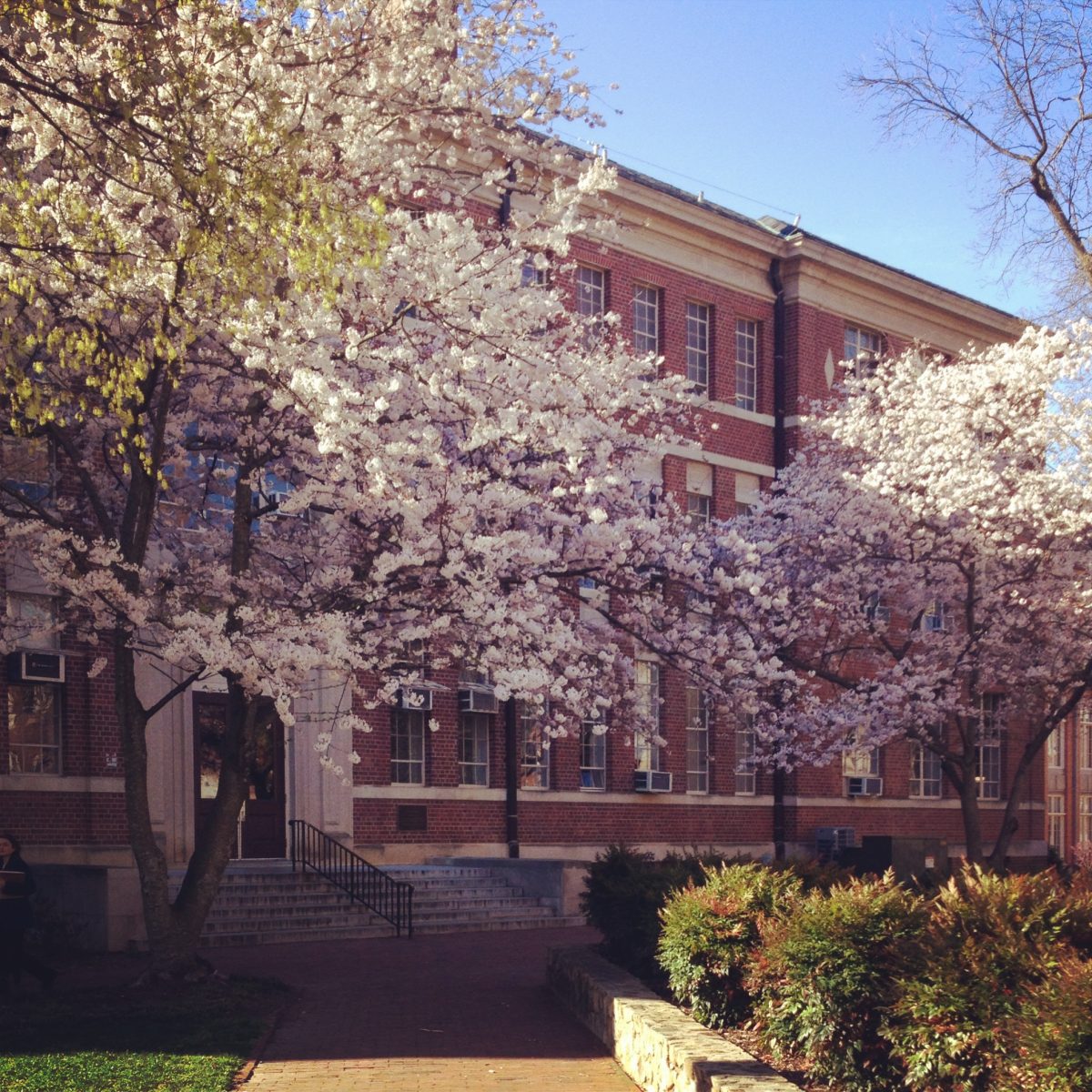
The campus is gorgeous and full of trees, flowers, and beautiful buildings.
4. Austin, Texas
Austin, one of the music capitals of the world, is a great college town full of delicious eats and cool bars.
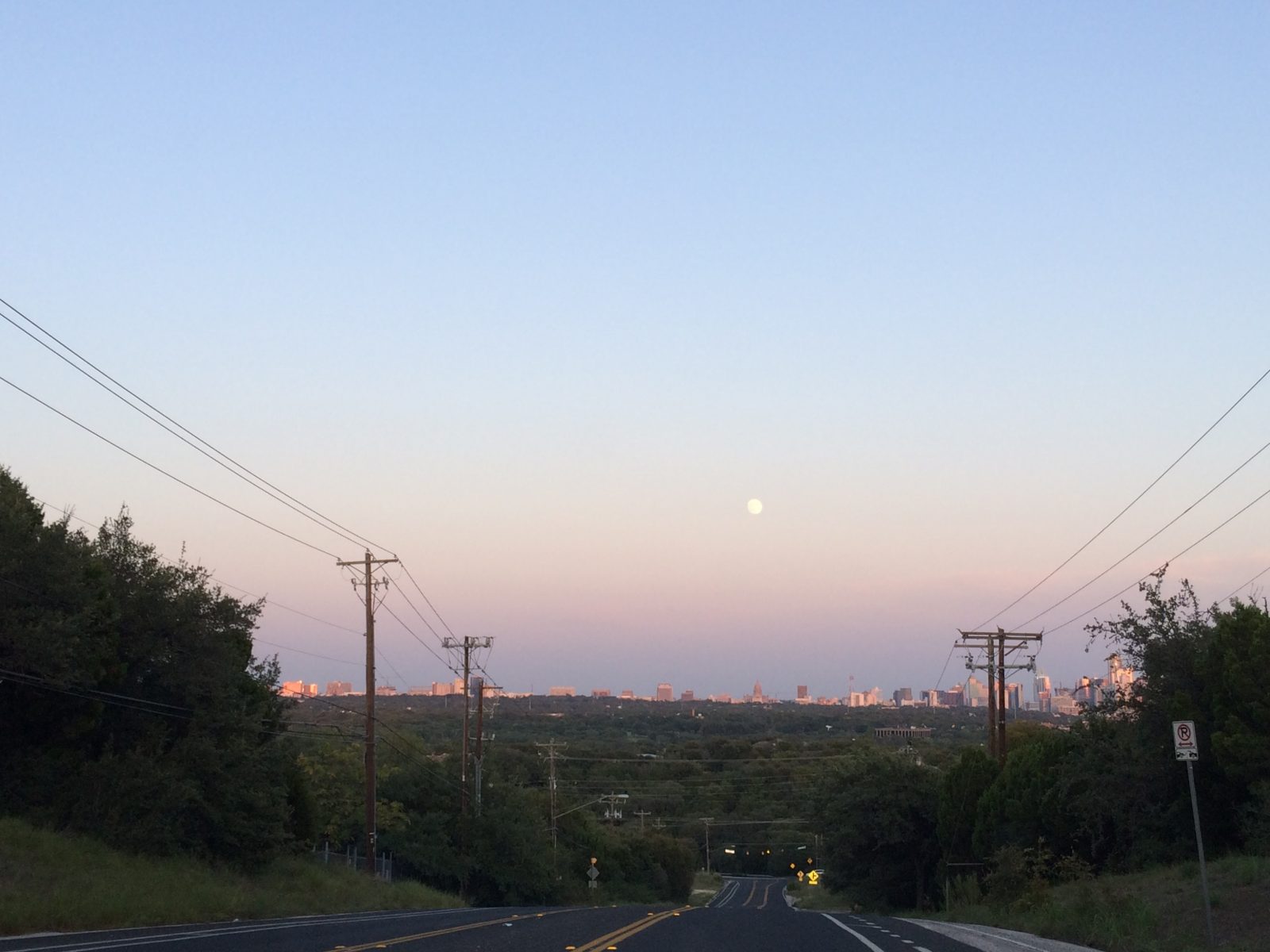
Even though it’s the 4th largest city in Texas, it has a small-town feel, and is home to an eclectic group of individuals from around the globe.
There are tons of great bars and hangout spots to listen to live music, and there’s a good chance if you’re there on the weekend you will find some great tunes just wandering around the city.
5. Boulder, Colorado
Boulder, Colorado. There’s no place better! I might be biased as an alumna! 🙂
Boulder is located at the base of the foothills of the Rocky Mountains and has the Flatirons as a backdrop to the University of Colorado, Boulder campus – need I say more?
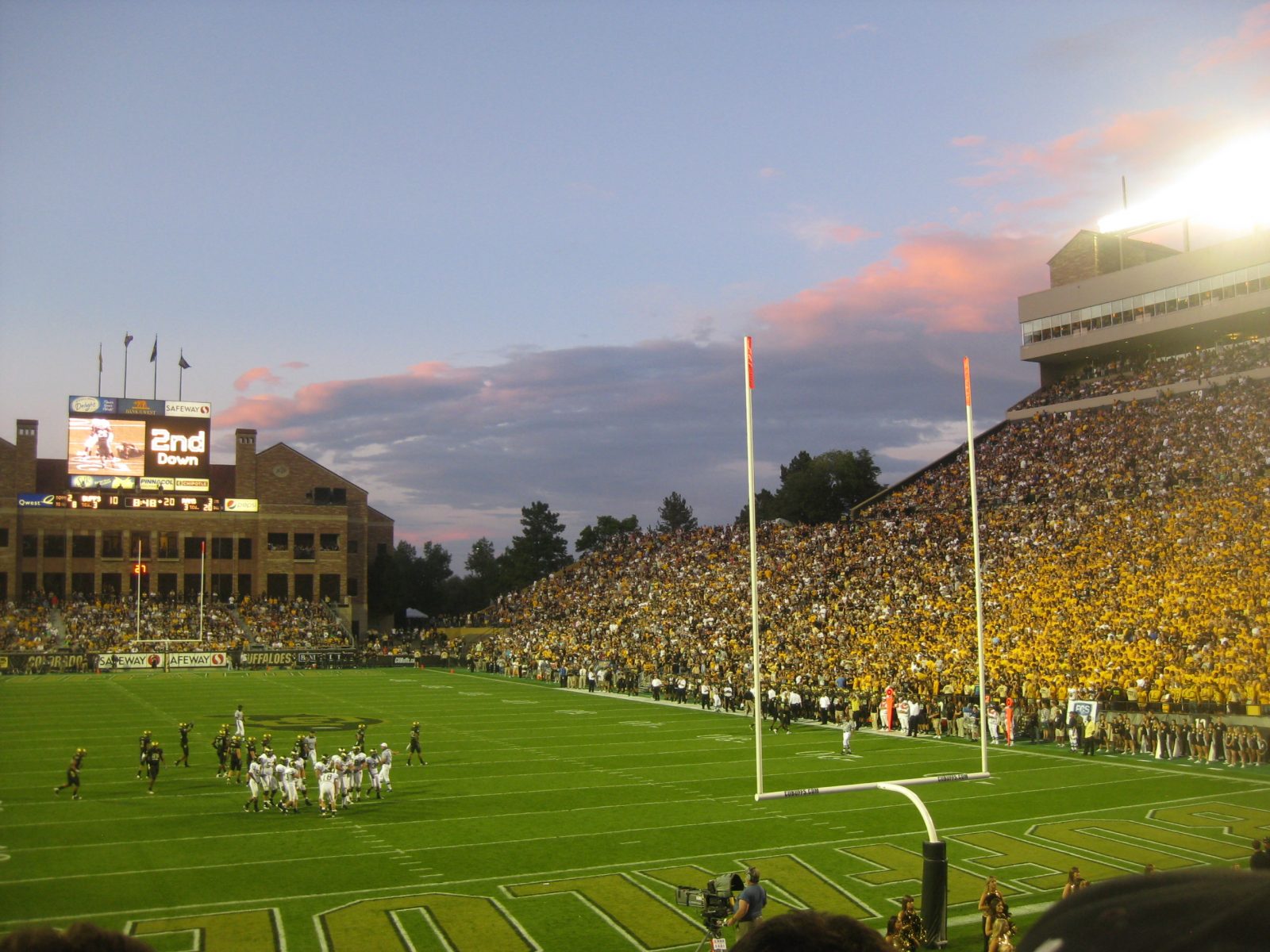
Boulder continuously earns the badge for the best college campus and rightfully so.
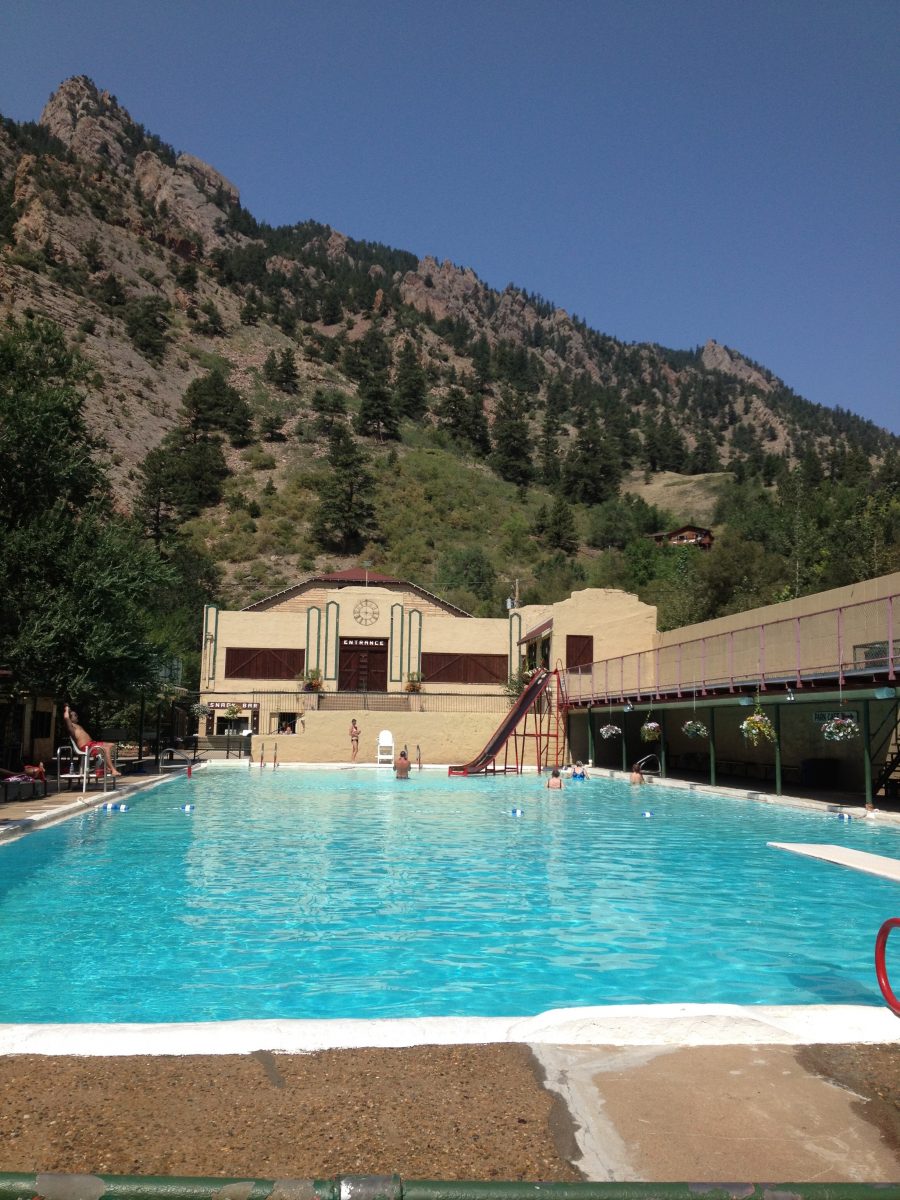
The town is vibrant, outdoorsy, and full of phenomenal places to eat, including 5-star restaurants and delicious grab-n-go’s.
Boulder is the mecca of outdoor activities, including unbelievable hiking!
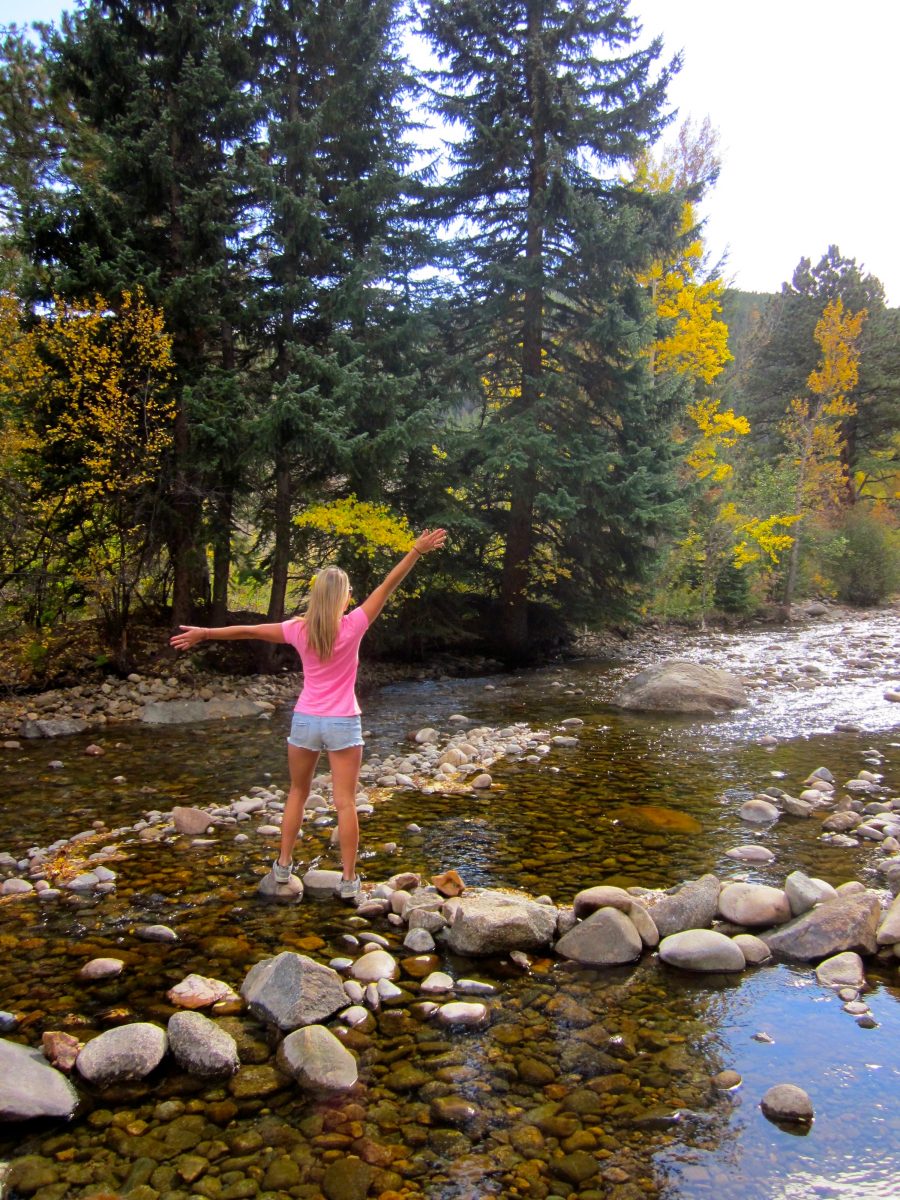
In Boulder, you can explore for years and never scratch the surface.
If that’s not enough, there’s a huge creek running through town and multiple concert venues. And Boulder is known for its great bar scene all year round!
6. Madison, Wisconsin
Madison, the capital of Wisconsin, is situated between 4 lakes, which gives the city a gorgeous backdrop.

It’s a super bike-friendly city with great shops, restaurants, an awesome farmer’s market. Plus, a growing financial district.
Madison is a rad college town with many smart folks. And it’s a great place to get an education, start a career, or raise a family.
7. Lawrence, Kansas
Home of the University of Kansas and Haskell Indian Nations University, Lawrence has a great music scene, awesome bars, amazing venues for live music, and it is beautiful year-round.
It’s only 40 miles from Kansas City and 25 miles from Topeka. So it’s an easy place to get to if you want to go root for the Jayhawks, KU’s men’s basketball team.
Also, if you’re into shopping, there are many great clothing chains, vintage shops, and old school record stores.
8. St. Augustine, Florida
It’s worth visiting St. Augustine because it’s the OLDEST city in the US.
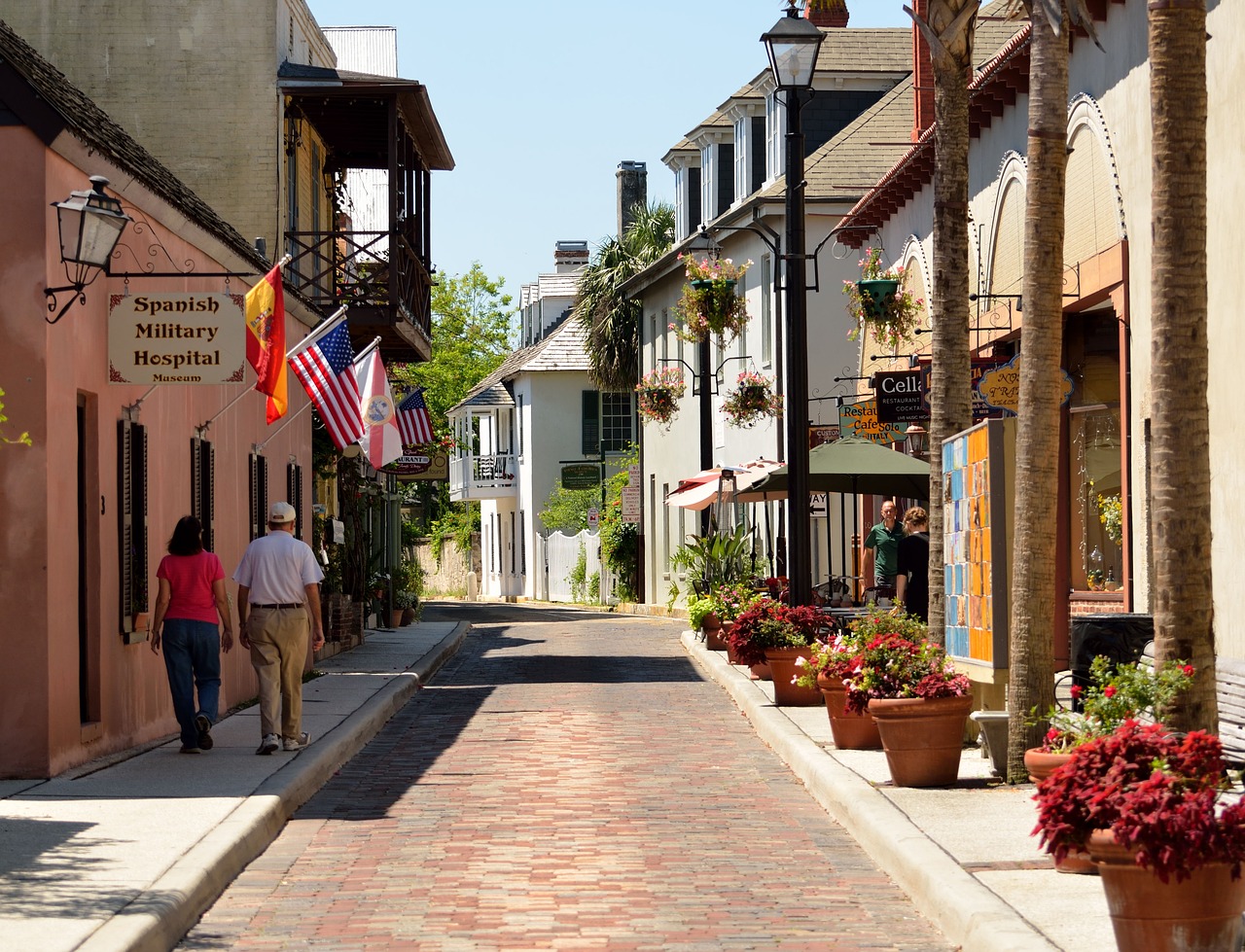
In 1513, Spanish explorer Juan Ponce de Leon discovered Florida by landing in St. Augustine.
Home of Flagler College, the city is full of rich history, Spanish flavor, and great attractions, including fun museums and statues.
The city has a great local touch and you feel like you’re traveling back in time. The people are friendly and the culture is great!
9. Berkeley, California
Whether you’re in college or just passing through, Berkeley is a city in northern California with a hippie-centric vibe you don’t want to miss.

The University of California, Berkeley is located downtown and has a beautiful campus full of intelligent, strong-minded students and professors.
The famous UC Greek Theatre is the best-known venue in Berkeley and hosts a lot of great artists, plays, and ceremonies.
10. Charlottesville, Virginia
Home of the University of Virginia and the birthplace of the Dave Matthews Band, Charlottesville has it all! From good food and a great music scene to several bars, bright students, and a beautiful campus.
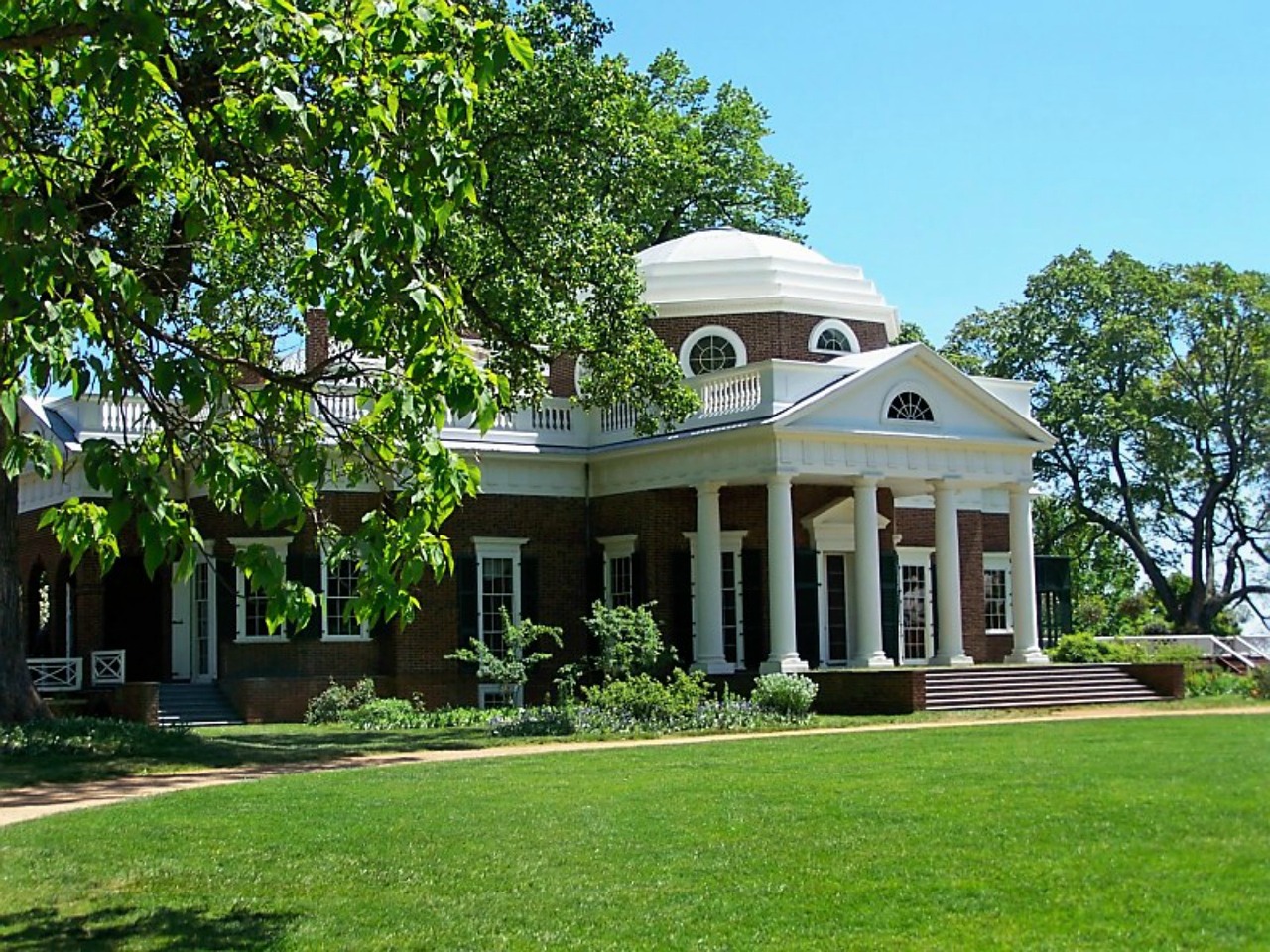
Charlottesville is a blend of cosmopolitan energy and history.
There’s a mix of college students, graduate students, and families. So it’s the perfect place to visit no matter what occasion. There are cute walkable neighborhoods, historical attractions, and a growing restaurant scene.
11. Ithaca, New York
Ithaca is a beautiful town in upstate New York, which is home to Cornell University and Ithaca College. I highly recommend visiting Ithaca in the fall.
The town has a great intellectual feel, great views, walks, and parks perfect for students or folks just passing through.
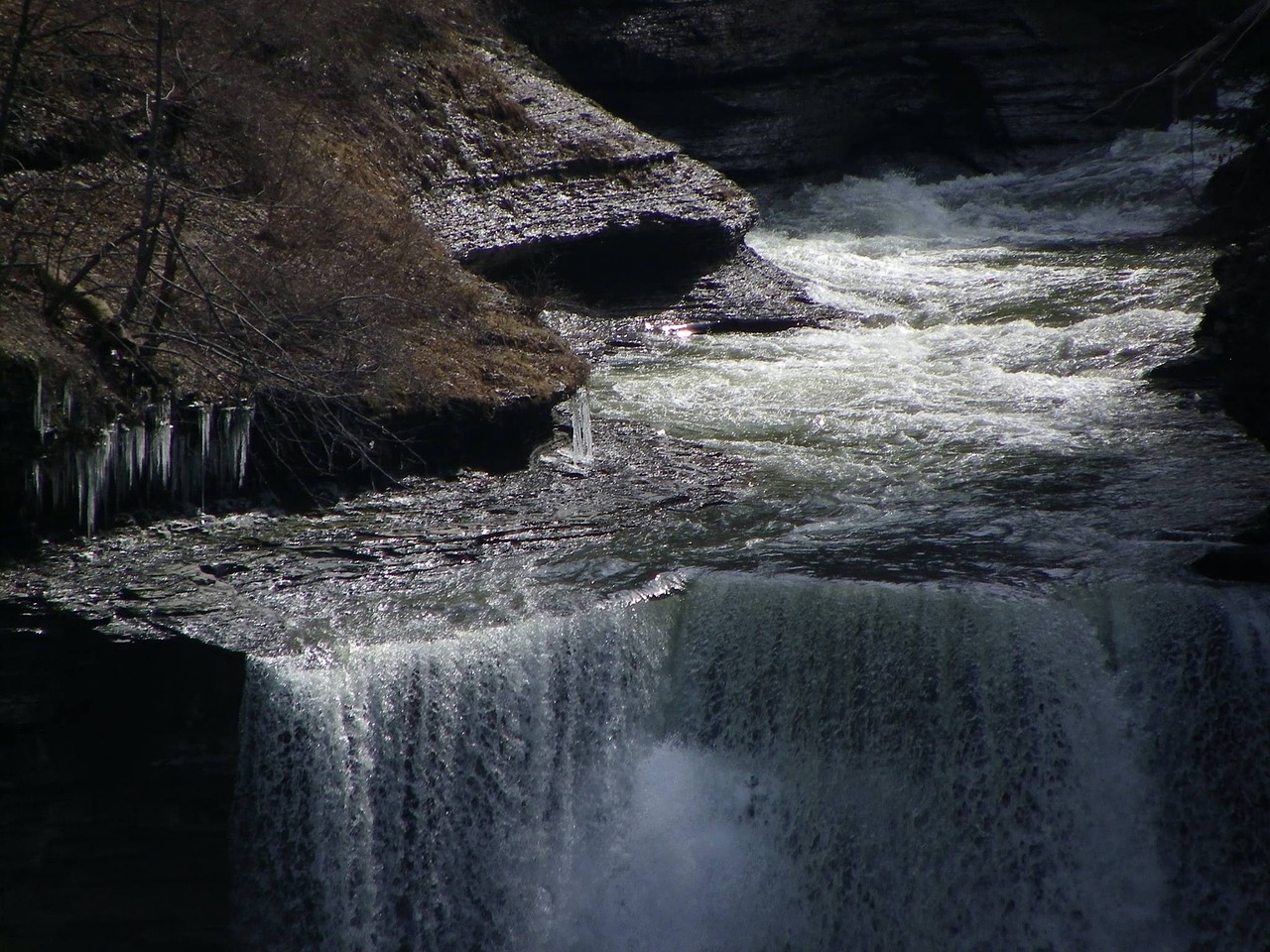
Ithaca is home to great dining establishments and lots of waterfalls to explore.
If you make it to Ithaca, it’s worth visiting the Ithaca Beer Company’s tap room for a good IPA.
12. Boston, Massachusetts
Boston is massive and worth more than just a day trip. It’s home to amazing colleges and universities, including Harvard, MIT, Northeastern, Boston College, Tufts, Boston University, and Brandeis.
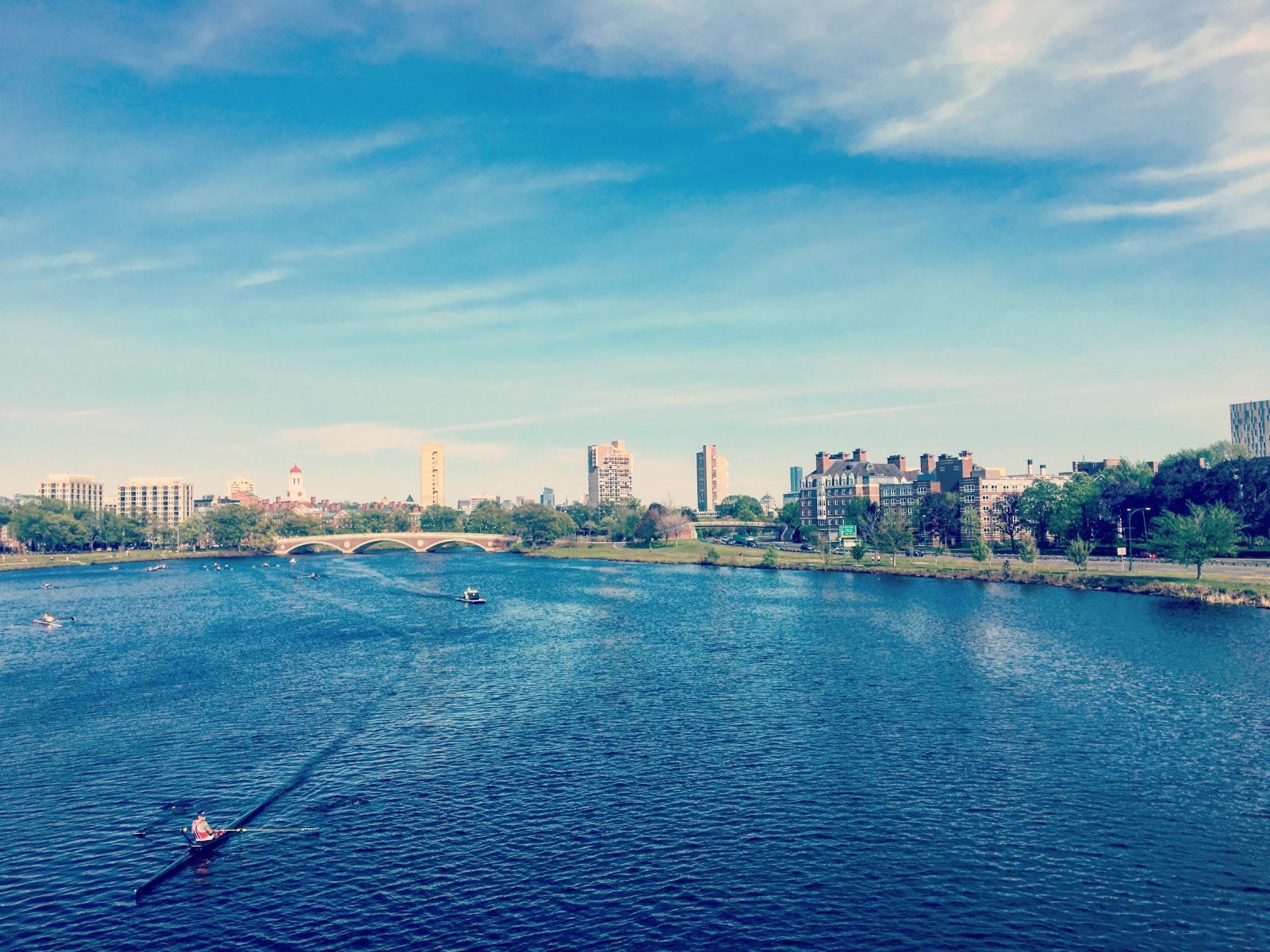
Boston is a mecca of great dining, amazing bars, culture, history, outdoor activities, and has pretty much everything you could want in a town.
13. Ann Arbor, Michigan
Only 45 minutes from Detroit, Ann Arbor is a hip town with gravel paths, college students, and great microbreweries.
Known for its athletics, University of Michigan hosts big college games at their home stadium, The Big House, which is the LARGEST collegiate stadium in the country.
There are tons of good spots to eat, drink, and party. If that’s not your scene, there are awesome parks. And it’s easy to rent bikes and cruise around the city with your friends and family.
14. Athens, Georgia
Athens is a super cool city in the heart of Georgia and is growing into a very cosmopolitan area!
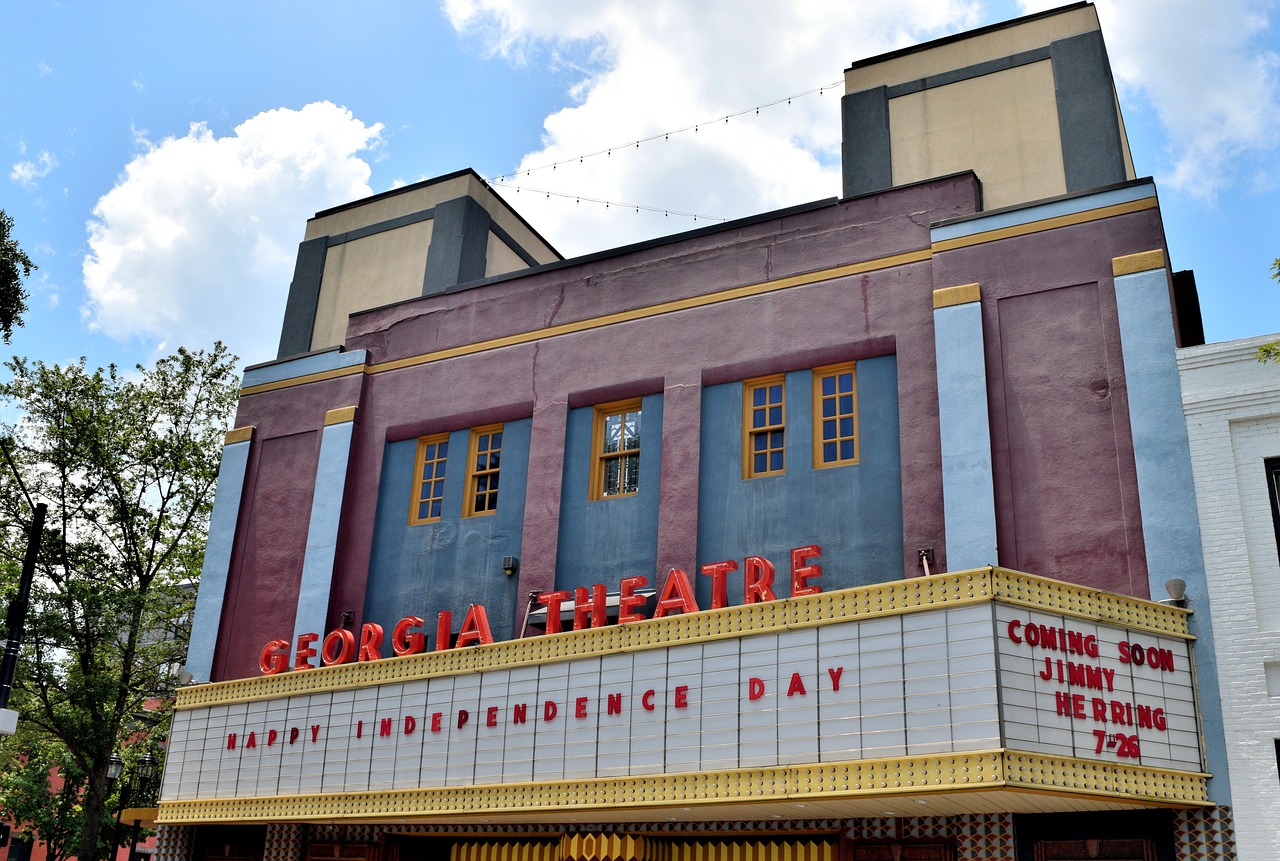
Athens has great concert venues and bars with live music. And creative shopping destinations. Plus, a restaurant scene with top-notch chefs!
If that’s not enough, Athens is the home of good, southern cooking with BBQ and breweries fit for everyone who visits.
15. Eugene, Oregon
Home of the University of Oregon and known for its college athletics, Eugene offers access to outdoor activities. And it’s easy on the eyes.
If hiking isn’t your thing, Eugene is a beer drinkers paradise and you can find a deal on beer at pretty much every bar!
16. Flagstaff, Arizona
Flagstaff is home to over 700 acres of National Parks and is a great town for folks looking for a bit of adventure.
Flagstaff has over 50 miles of hiking and cycling trails and you will find people on them year round. Even though it gets freezing cold in the winter it doesn’t stop people from exercising outside.
Home to Northern Arizona University, Flagstaff has a diverse landscape and eclectic crowd to go with it.

If you make it to Flagstaff, be sure to check out the outdoor amenities and make your way to the Grand Canyon National Park because it’s only a short drive away.
If hiking or rafting isn’t your thing, the Arizona Snowbowl ski resort is also close by.
Is your favorite college town on the list? Let us know in the comments below!
Editorial Note: We're the Million Mile Secrets team. And we're proud of our content, opinions and analysis, and of our reader's comments. These haven’t been reviewed, approved or endorsed by any of the airlines, hotels, or credit card issuers which we often write about. And that’s just how we like it! :)



Join the Discussion!